NSSC 2026
Conference Programme

Important information
Programme
Our programme gives you an overview of the conference talks and exhibitors. Check below the timetable, confirmed talks, panels and workshops.
Brochure coming soon
Registration
Upon arrival at the venue, get your tickets ready to be scanned and get your badge and conference programme.
If you’re late, it’s not a problem, but you must register at reception when you arrive.
Times
Saturday Registration: 08:00 – 09:00
Saturday Conference: 09:00 – 17:00
Saturday Networking Reception: 17:00 – 20:00
Sunday Registration: 08:00 – 09:00
Sunday Conference: 09:00 – 16:00

What To Expect At NSSC 2026
Keynotes
Science Museum
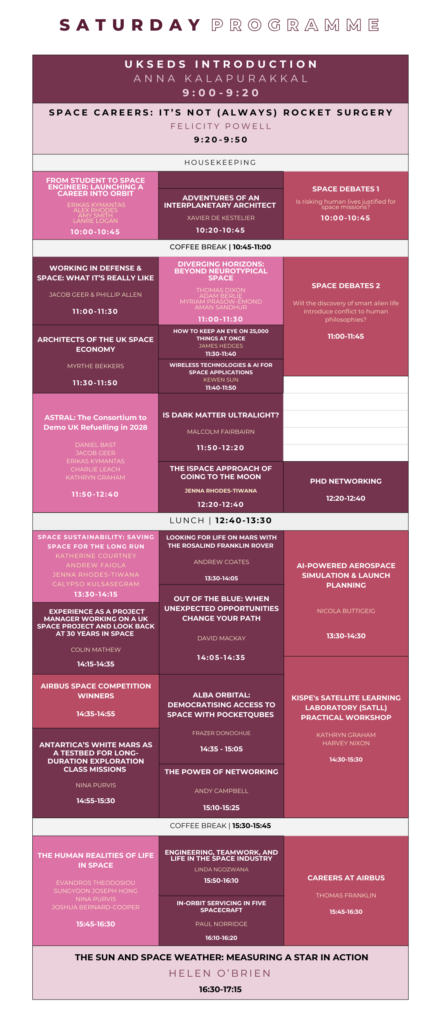
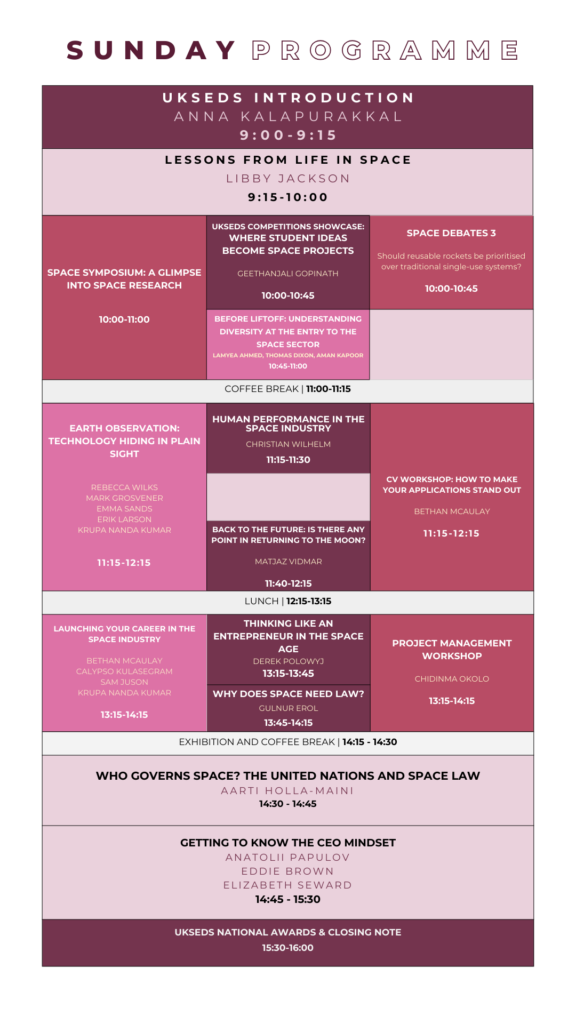
Libby Jackson

Libby Jackson OBE is Head of Space at the Science Museum, where she provides strategic oversight of the Museum’s space-related activities. Libby was previously the UK Space Agency’s Head of Space Exploration, and is one of Britain’s leading experts in human spaceflight, having spent nearly two decades working at the forefront of the field in mission control and management roles, including overseeing the hugely successful education programme for Tim Peake’s mission to the International Space Station. Libby was Chair of UKSEDS in 2021, and is now a Trustee of the organisation.
From a childhood fascination with space, Libby Jackson has built a career that’s taken her from Mission Control to the Civil Service and, most recently, to the Science Museum. In this talk, she reflects on the moments that shaped her journey, the surprising decisions that sent her down unexpected paths, and the lessons she’s learned about carving out your place in the space sector.
Imperial College London
Helen O'Brien
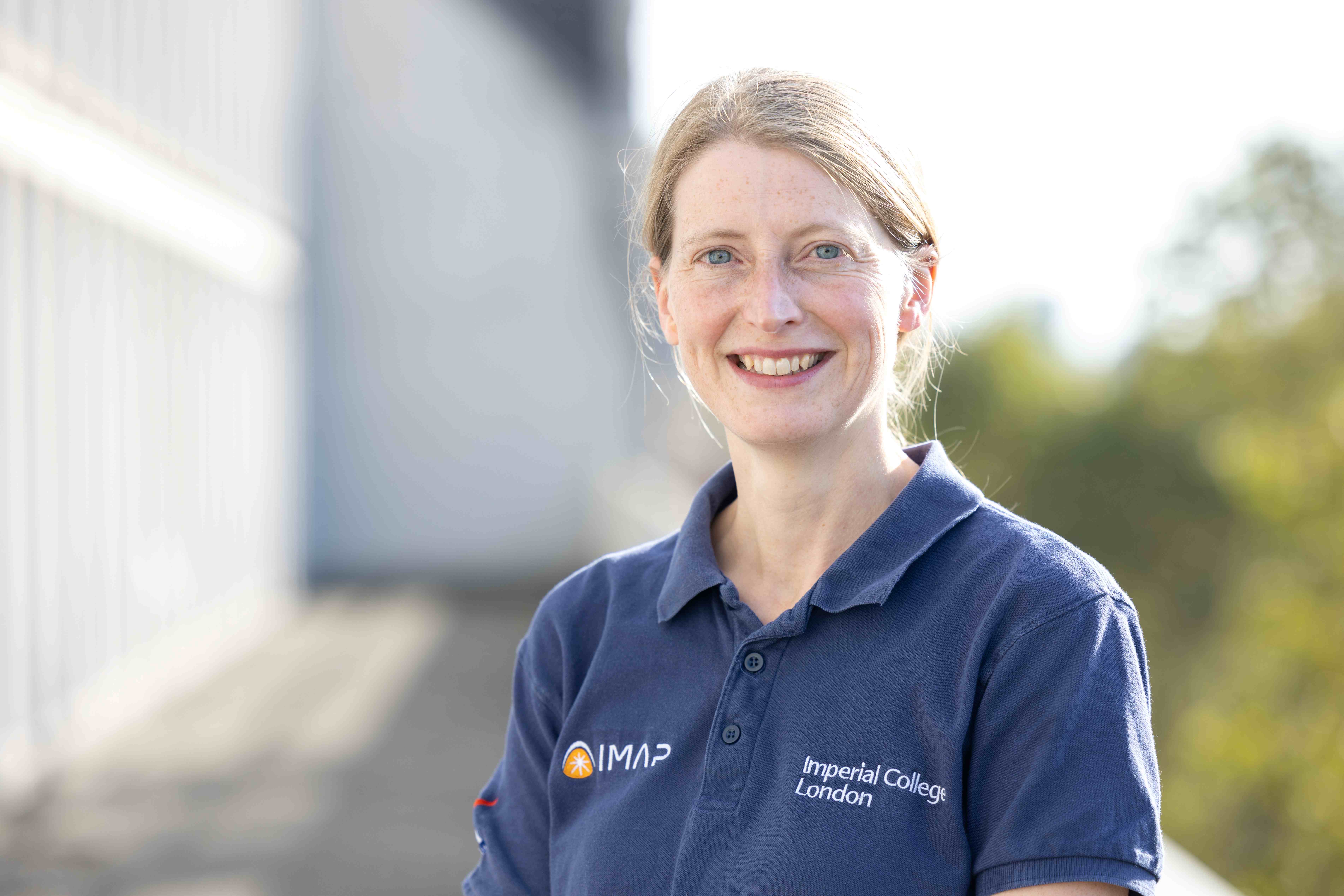
Helen O’Brien has been building space science hardware for over 20 years. She is the Instrument Manager for the magnetic field (magnetometer) instruments on board the European Space Agency Solar Orbiter and NASA IMAP spacecraft. She leads the technical team at Imperial College London now developing a new set of magnetic field instruments for the NASA HelioSwarm constellation mission of 8 spacecraft due to launch in 2030. Helen lives in Wimbledon, with her husband, 2 sons and 2 cats.
The Sun rules our cosmic neighbourhood—dynamic, eruptive, and endlessly fascinating. Humans have tracked its changing face for millennia, from ancient Chinese sunspot records and Galileo’s first telescopes to today’s stunning solar observatories. Sunspots, those shifting dark patches, are the visible fingerprints of the Sun’s magnetic field, which drives the solar cycle and the space weather that influences our technological world. Come and discover how, at Imperial College London, we build ultra‑sensitive magnetometers for missions like Solar Orbiter and IMAP—tools that reveal how the Sun’s magnetic field stretches out into space.
UK Space Agency
Felicity Powell
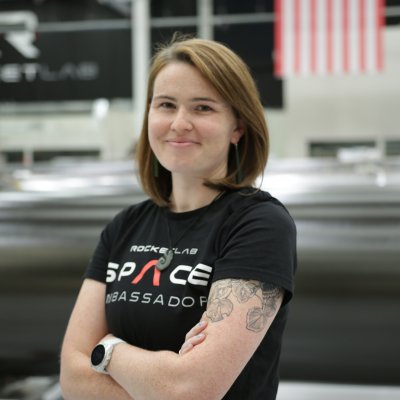
In her role as Education and Future Workforce Lead at the UK Space Agency, Felicity works with her colleagues in the Education and Future Workforce Team to strengthen the UK’s space talent pipeline through national education, skills, and early-career initiatives. Her work focuses on building innovative pathways that enable students from all backgrounds to find their place in the UK’s rapidly expanding space sector.
Felicity previously led Rocket Lab’s global education programs, developing international initiatives that connected schools, universities, and industry to open pathways into space careers worldwide. Immediately prior to joining the UK Space Agency, she completed her second Master’s degree at Harvard University, supported by the Fulbright Science and Innovation Graduate Award.
The space sector is changing faster than ever before. Alongside the extraordinary achievements of traditional space programmes, a new wave of commercial innovation is transforming how we build, launch, and use space technologies. In this keynote, Felicity Powell draws on her experience leading global education programmes at Rocket Lab and her current work at the UK Space Agency to explore what this shift means for the next generation of space professionals. From unexpected career pathways to the growing diversity of roles across the sector, she reflects on how the space workforce is evolving – and why there has never been a more exciting time to find your place in space.
Astron Systems
Eddie Brown
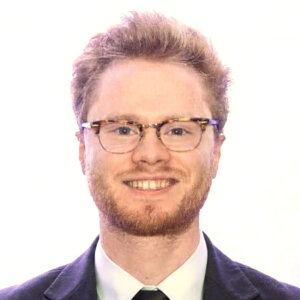
Eddie Brown is the co-founder and CEO of Astron Systems, a pioneering space company building the first 100% reusable small rockets. An Imperial College London educated aerospace engineer who helped build up Imperial’s student rocketry team in its earliest days, he’s now working to disrupt the small payload orbital launch market by bringing 100% reusability and aircraft like operations to small rockets.
Speaker talks
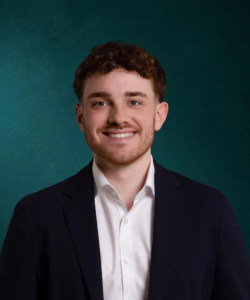
Derek Polowyj
E-Spark
Derek is one of the Ecosystem Development Managers supporting the delivery of the UK Space Agency Accelerator. He has spent the last 5 years connecting space startups with the right people — investors, industry partners, and experts — to support business growth.
Space isn’t just about rockets anymore: it’s becoming a new domain for big ideas and new opportunities. In this talk, we’ll look at how research driven by space exploration has already led to technologies we use every day, and what that tells us about spotting opportunities in unexpected places. More importantly, we’ll explore the value of thinking like an entrepreneur: asking better questions, challenging assumptions, and turning ideas into real-world impact

Jenna Rhodes-Tiwana
Ispace inc.
Jenna Rhodes-Tiwana is Senior Strategy Advisor at ispace inc., a lunar exploration company that was the first commercial company to launch to the Moon, and recently launched Europe’s first lunar rover. Prior to ispace, Jenna was a Management Consultant at Bain & Company working in Private Equity and Strategy, across the London and Tokyo offices. She has two Masters degrees – Aeronautics & Astronautics from the University of Southampton and Space Studies from the International Space University. Jenna is also a member of the SPACETIDE Foundation where she works to bridge the British and Japanese space sectors.
Introduction to commercial lunar exploration, and, the approach taken by ispace in establishing long-term human presence on the Moon through prioritising infrastructure, lessons learnt from the non-space sector and international collaboration
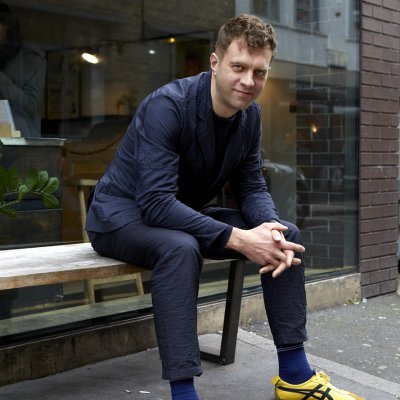
Xavier De Kestelier
Hassell
Xavier De Kestelier is an architect and global pioneer in design technology, currently serving as Head of Design at the international architecture practice Hassell. Previously, he spent over a decade as Co-Head of the Specialist Modelling Group at Foster + Partners
De Kestelier is renowned for pushing the boundaries of architectural innovation, specialising in computational design, robotics, and digital fabrication. He is particularly recognised for his groundbreaking work in space architecture, leading high-profile projects to design 3D-printed habitats for the Moon and Mars. A frequent global speaker, he continuously explores how advanced technologies can shape the future of human habitation.
Join architect Xavier De Kestelier, Head of Design at Hassell, for an exploration into the frontier of extraterrestrial design. In this session, De Kestelier will unpack the realities of space architecture, sharing insights from his groundbreaking work designing 3D-printed habitats for the Moon and Mars. Moving beyond science fiction, he will discuss how robotics, computational design, and in-situ resource utilization are making off-world human habitation a tangible reality. Discover how the rigorous constraints of extreme environments are driving innovative solutions that pave the way for interplanetary exploration while inspiring sustainable architectural practices right here on Earth.

Professor Andrew Coates
UCL-MSSL
Andrew gained a BSc (physics) from UMIST, and MSc & D.Phil. (plasma physics) from Oxford University. He has been at UCL’s Mullard Space Science Laboratory (MSSL) since 1982, with guest positions at MPS (Germany), University of Delaware (USA) and BBC World service (media fellowship). He is head of solar system research at UCL-MSSL. Space missions: Rosalind Franklin (ExoMars) rover (PI of PanCam, co-I Enfys), Cassini (lead for electron spectrometer), JUICE, Venus & Mars Express, and Giotto. Scientific interests: plasma interaction with planets and comets, planetary surfaces & space instrumentation; authored or co-authored over 465 (refereed) and 590 (total) publications.
Mars is the nearest location where life could have evolved beyond Earth. We will discuss prospects for life on Mars in the context of habitability elsewhere. We will discuss current and future Mars missions, including Perseverance, currently analysing and collecting samples, and the ESA-NASA Rosalind Franklin mission which will drill 2m below the harsh Martian surface for the first time, to search for past life on Mars. We will discuss the UK’s key industrial and academic contributions to this exciting mission, for launch in 2028 and landing in 2030. We will briefly discuss how to become a PI.

Dr Nina Purvis
NHS, European Space Agency
Nina served as the European Space Agency’s medical doctor at Concordia Station in Antarctica for the winterover of 2025; one of the most remote and extreme environments on Earth. She holds degrees in medicine, astrophysics, and space physiology, along with a PhD in medical physics. Her research work focuses on advancing healthcare for astronauts and understanding the physiological challenges of long-duration exploration class missions. Clinically she is a general surgery resident doctor. She was recently named one of 50 people changing the world by the Explorer’s Club.
Highlights and insights into Nina’s 13-month winterover mission at Concordia Station, Antarctica on behalf of the European Space Agency – one of the most remote and extreme places on Earth. This role and research gives important insights into how the human body and mind adapt to extreme conditions such as those faced on “White Mars”, mirroring conditions faced by astronauts during long duration exploration class missions.

Nicola Buttigieg
King's Institute for AI
Nicola is a Research Affiliate at the King’s Institute for AI and is pursuing a PhD on Classical-to-Quantum Machine Learning skill transition at KCL. Specialising in end-to-end pipelines, interactive AI prototypes, and full-stack solutions, she leads ML training for the King’s-Bolashak Programme and engineers applied AI/ML prototypes in collaboration with NASA POWER, NASA Giovanni, and OPeNDAP for annual outreach events. She has delivered hands-on applied AI/ML workshops at UKSEDS for several years, guided student teams at Boston University’s Spark! Learning Lab, and, during her tenure at the GDST, developed a BCS-accredited Edge AI Tech10 curriculum with Edge Impulse as well as an award-winning pre-university space technology diploma supported by the Royal Society STEM Partnership and AWS grants.
This workshop will investigate how machine learning and data-driven methods can enhance aerospace decision-making, integrating Python-based RocketPy simulations with NASA POWER surface weather and NASA MERRA-2 3D atmospheric data to model rocket launches under varying conditions. It will explore a surrogate neural network with Monte Carlo-style sampling to assess tail events and extreme outcomes, supporting risk-aware launch planning, and consider the forward-looking potential of LLMs and Retrieval-Augmented Generation (RAG) to create intelligent, queryable launch decision-support systems, demonstrating how modern AI can improve aerospace decision-making.
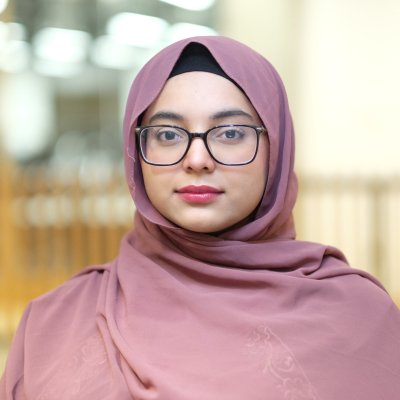
Lamyea Ahmed
UKSEDS
Lamyea Ahmed is a second-year PhD student at the University of Birmingham, researching how people will experience the future of flight. During her undergraduate studies, she became deeply involved in student societies and outreach, such as designing rockets and helping make STEM more open and welcoming. She is a volunteer with UKSEDS, where she works to promote diversity and inclusion in the space sector. Her goal is to help shape the future of aerospace and ensure that it is one where everyone feels like they belong.
Join us for insights from the 2024 Diversity and Advocacy Survey by UKSEDS, capturing the experiences of students and recent graduates navigating the UK space sector. Focusing on awareness of opportunities, barriers to entry, international student experiences, and representation, the study explores how visibility, access, and structural constraints shape early-career pathways. This talk provides a unique glimpse into early-career perspectives and a step toward a truly inclusive space workforce.

Paul Norridge
ClearSpace
Paul Norridge is Electrical Team Lead at ClearSpace, based in London. He has over 25 years experience in the space industry supporting technology development and large satellite missions, including Gaia, Solar Orbiter, Galileo and the Rosalind Franklin Rover. He is now working on multiple projects looking to make sustainable space a reality.
Some of our most important satellites didn’t fail because space is hard — they failed because we couldn’t reach them. In‑orbit servicing is going to change the way we use space. What if we could have fixed spacecraft of the past rather than treated them as single‑shot, disposable systems?
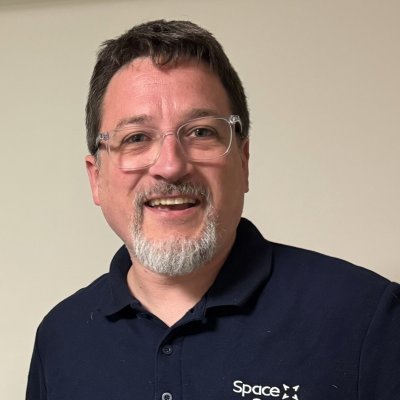
Christian Wilhelm
Space Scotland
Christian Wilhelm is a Chartered Human Factors Professional and part-time PhD researcher at the University of Edinburgh, exploring how cognitive and neurodiversity shape organisational resilience and performance in high-reliability and complex environments. Representing Space Scotland’s New Voices, he advocates for diversity as a strategic capability that strengthens innovation, resilience, and decision-making. His work focuses on how different ways of thinking can improve sense-making under uncertainty and support safer, more adaptive systems. Christian is particularly interested in the role of interpersonal skills, psychological safety, and effective teamwork in unlocking the value of diverse perspectives and enabling sustainable innovation in the space sector.
This talk explores human performance in the space industry, highlighting the critical role of interpersonal skills in effective teamwork and collaboration. While technical expertise is essential, these skills are often prioritised at the expense of the interpersonal capabilities needed to work in complex, high-risk environments. Psychological safety is fundamental for fostering an environment where ideas can be shared openly, enabling organisations to fully leverage cognitive diversity, including different problem-solving approaches and ways of thinking. By developing these capabilities alongside technical skills, space organisations can strengthen innovation, decision-making, and organisational resilience in the face of uncertainty.
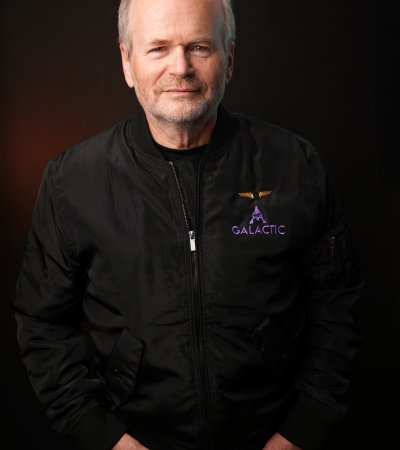
David Mackay
A highly experienced experimental test pilot and leader in military and commercial aerospace, David is the former Virgin Galactic VP of Flight & Test Operations and Chief Pilot. In 2023, he led his flight operations team to an historic run of six consecutive monthly spaceflights.
An Aeronautical Engineering graduate, awarded the Air Force Cross for test flying, he is also a Fellow of the Royal Aeronautical Society and of the Society of Experimental Test Pilots, and a recipient of two Honorary Doctorates.
David will share some of the experiences and influences that shaped his passion for aerospace and his career. He will propose that it is good to be ambitious but it is also okay if you fail to achieve your ambitions, that the path through life is rarely straight and narrow, sometimes opportunities can appear “out of the blue”.
Myrthe Bekkers
know.space
Myrthe is a Junior Space Analyst at know.space, where she provides strategic insights to public and private organisations in the space sector. She holds an MA National Security Studies from the Department of War Studies at King’s College London, where her research focused on strategic autonomy and Dutch space strategy, as well as a BA International Relations and a LLB in Dutch Law from the University of Groningen (NL). Previously, she worked as a research assistant at the Freeman Air and Space Institute at King’s College London, exploring escalation, allied cooperation, and broader dimensions of the United Kingdom’s strategic influence in space.
Space consultancy is where business, innovation, opportunities and space science all come together. In this short talk I’ll unpack what space consultancy actually involves, from supporting government programmes to private entities and everything in between. I will dive into the specific skills that make a great space consultant, and share all my tips for getting into the field regardless of your academic background!

Aman Kapoor
UKSEDS
An Aerospace Engineering graduate focused on improving access and representation in the UK space sector. Contributed to the UKSEDS 2024 Diversity & Advocacy Survey, analysing over 200 responses and presenting findings at NSSC 2026. Currently supporting initiatives aimed at creating more inclusive pathways into the industry.
This talk shares insights from the UKSEDS 2024 Diversity & Advocacy Survey, based on over 200 responses from students and early-career professionals. It explores awareness gaps, structural barriers such as visa and security clearance restrictions, and the challenges faced by students in securing work experience and entry-level roles. The session will highlight key trends and discuss practical steps universities and industry can take to create clearer, more inclusive pathways into the space workforce.
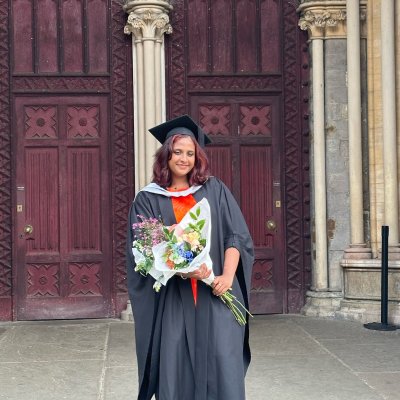
Geethanjali Gopinath
UKSEDS - Competitions
Geethanjali began her involvement with UKSEDS as a volunteer in the Olympus Rover Trials, driven by her background in Astrophysics and interest in planetary exploration. During her postgraduate studies in Space Engineering, she worked with the Aberystwyth University PanCam Emulator (AUPE), developing a flat-field calibration system for integration into the PanCam Operations Toolkit (PCOT) aboard the Rosalind Franklin Mars Rover. She now serves as Competitions Lead at UKSEDS, where she oversees four national competitions, drawing on her personal expertise to support student teams and deliver a successful annual programme.

Kelsey Baguley
Royal Aeronautical Society
Kelsey Baguley is a Membership Development Officer at the Royal Aeronautical Society, supporting students and professionals across aerospace, aviation and space. She delivers briefings that introduce free student membership and explain pathways into professional registration, and also provides early‑career and professional‑level briefings on registration routes for individuals at all career stages. Kelsey supports the Society’s presence at STEM and industry events, as well as internal activities at RAeS headquarters.
Founded in 1866, the Royal Aeronautical Society is the world’s leading professional institution dedicated to the entire aerospace community. For over 150 years, we have championed the advancement of aeronautical art, science and engineering across the globe, supporting innovation from early flight to today’s cutting-edge space.
Thinking about becoming a professionally registered engineer? Professional registration with the Engineering Council is one of the strongest recognitions of your competence and commitment as an engineer. This talk explains what registration is, why it matters for your future career, and how the Royal Aeronautical Society, as a Professional Engineering Institution, supports you on the pathway to EngTech, IEng or CEng.

Colin Mathew
Airbus
Colin has been working on a variety of space projects in the UK for over 30 years. These include Telecom Payloads, Earth Observation payloads and Galileo. Colin started as a student apprentice at BAe Space Systems and has worked as an engineer and project manager. Colin is currently a payload project manager on OneSat Payload project.
Colin will introduce his current project and describe some of the challenges in developing new technology for space. Colin will share some career highlights from 30 years in the UK space industry.

Matjaz Vidmar
The University of Edinburgh
Dr Matjaz Vidmar is Lecturer in Engineering Management at the University of Edinburgh and Deputy Director of the Institute for the Study of Science, Technology and Innovation. He is researching innovation processes, R&D (eco)systems and futures strategies and design, especially within the space industry, artificial intelligence and data-driven economy. He leads interdisciplinary projects spanning arts, science and civil society, he is involved in several start-up companies, and he delivers an extensive public engagement programme. He is a Fellow of Royal Astronomical Society and British Interplanetary Society and member of the IoP Higher Education Group Committee. His work received wide recognition, including the Emerging Space Leader Award by the International Astronautical Federation. More at www.blogs.ed.ac.uk/vidmar
As Artemis II mission sets-off for the first human lunar fly-by in more than half a century, many wonder why are we (re)turning to the Moon at this time of mounting Earthly crises. In this short talk, Dr Matjaz Vidmar, a researcher in socio-technical systems engineering and social dimensions of outer space exploration and innovation critically reflects on the viability of some of the stated political and economic motivations and what alternatives might there be.

Gulnur Erol
Gulnur Erol is a PhD researcher and lecturer at the University of Brighton, specialising in Space Law. Her research examines the development of international space law and the legal challenges arising from increasing private sector participation in outer space activities, with particular attention to public–private partnerships.
She is a qualified lawyer in Türkiye and holds Master’s degrees in Private Law and Public International Law. Her research interests include space debris liability and aviation liability. Gulnur has presented her work at several international conferences and teaches across several areas of law, including Intellectual Property Law, Business Law, EU Law, International Law, and Space Law.
Outer space is described as belonging to all humankind, but the legal framework governing outer space was largely developed almost sixty years ago, long before private actors began participating in space activities alongside states. This raises an important question: if it belongs to all of us, how can we protect our rights? This is where law becomes important. This talk introduces the basics of space law and explores key legal issues surrounding contemporary space activities.

Linda Ngozwana
MDA Space
Evandros Theodosiou is a Mechanical Engineer working in the commercial nuclear and space sectors. He holds a BEng in Mechanical Engineering from the University of Nottingham and an MSc in Mechanical Engineering from Imperial College London.
He is currently employed at Amentum UK as a Technical Author within the Reliability, Maintenance and Optimisation team, supporting Commercial Nuclear Power Stations. In parallel, Evandros serves as the National Point of Contact for Cyprus at the Space Generation Advisory Council (SGAC) and is part of the organising team of the European Space Generation Workshop (ESGW), where he acts as Delegates Lead. His technical and research interests lie in Life Support Systems for space applications, with published work on Martian habitation concepts. He has been actively involved in analogue astronaut missions, integrating his background in mechanical systems and nuclear energy with the challenges of sustainable human presence beyond Earth.
Young Engineers & Their Pathways

Alexander Rhodes
Viasat International Government
Communications Solutions Architect at Viasat International Government. Alex started off as a graduate in the railway then turned towards the space sector aiming to be more technical and to use more technical aspects from his degree. He went on to work on several ESA NAVISP projects for Position Navigation and Timing (PNT), and then pivoted into communications systems where he has directly worked on Non-Terrestrial-Networks, attending 3GPP for Viasat and deploying and designing communications systems to meet specific customer needs for both AALTO HAPS and Viasat International Government.
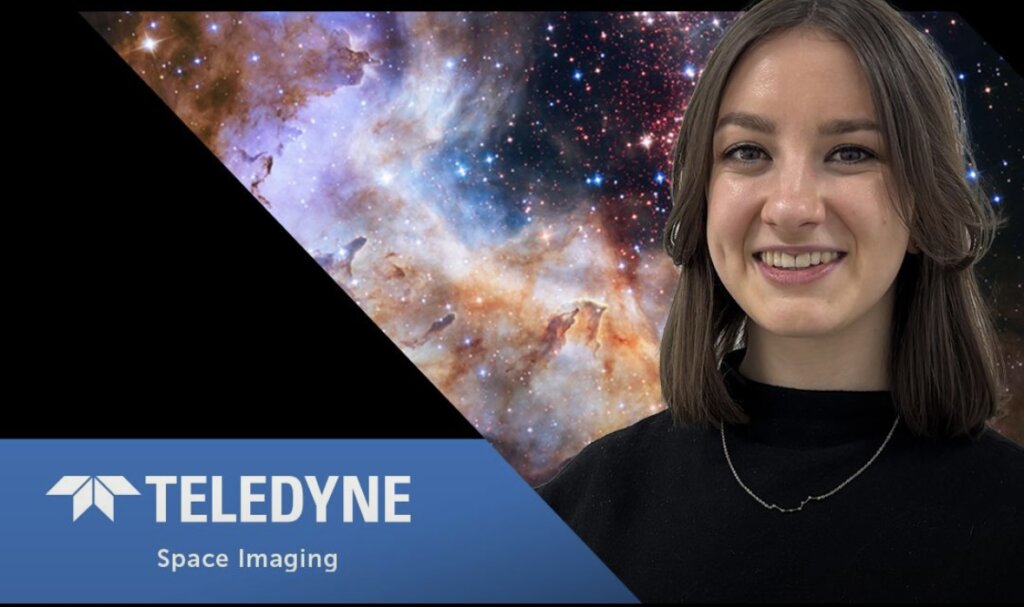
Amy Smith
Teledyne
Amy is a Verification and Test Engineer at Teledyne e2v supporting the development of hyperspectral imaging sensors for LEO missions. Prior, she worked as a coordinator at the Space Partnership facilitating collaboration between industry, academia and government to support the UK space sector. Combining her love for travel with her passion for space, she has lived and worked in Japan, interned in the Czech Republic and most recently attended the 2024 International Space University’s Space Studies Program in Houston. She is a passionate advocate for women in engineering and enjoys volunteering as a STEM ambassador.
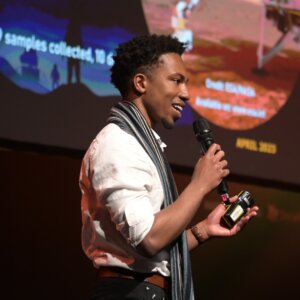
Lanré Logan
Space Solar
Lanre is a Development Engineer at Space Solar, leading prototyping activities and developing orbit and power delivery simulations. Previously, he developed wireless power transmission models for The European Space Agency’s Space-Based Solar Power feasibility study. He also worked for 2 years in systems engineering on an ESA-NASA Mars mission, creating orbital simulations and analysing model based systems engineering designs. This stems from a background in Space Exploration Systems MSc and Physics with Astrophysics BSc.

Dr Sonali Mohapatra
Prospero Space Fellowship National Quantum Computing Centre
Dr. Sonali Mohapatra leads sectoral innovation strategy and user engagement for quantum computing at the UK’s National Quantum Computing Centre. She drives use-case discovery across space, finance, energy, healthcare, pharmaceuticals and more – engaging government, industry and academia to accelerate quantum readiness. A physicist by training, Sonali has extensive R&D expertise developing early-stage quantum, space and AI technologies including world’s-first CubeSat quantum encryption systems. Passionate about inclusion, she champions equality, diversity and talent growth. She is a director of the Prospero Space Fellowship and has founded and chaired impactful non-profits such as QIndia, New Voices in Space and MTSN, India.
Bob Morris
Chair
Northern Space Consortium
Hina Khan
Executive Director
Space Scotland

Myriam Prasow-Émond
Imperial College London
Myriam is a final-year PhD researcher in Earth Science at Imperial College London, working on the evolution of coral reef islands in the Indian Ocean under climate change, using satellite imagery. She has also conducted research in astrophysics, where she worked on black holes and exoplanets using multispectral astronomical observations. Her career reorientation was motivated by her strong sense of justice, a desire to make a positive impact on the planet, and her experience in climate action and political actions. She is an advocate for neurodiversity and disability, as well as for climate change adaptation and mitigation.
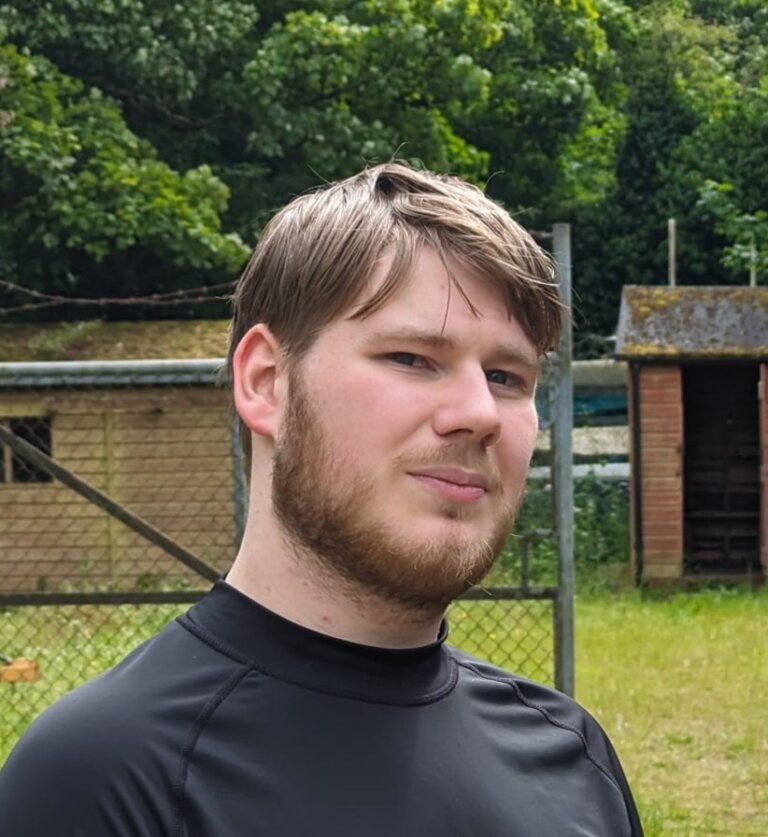
Thomas Dixon
UKSEDS
Thomas is a neurodiverse member of the UKSEDS Diversity and Advocacy Team who recently graduated from the University of the West of England with an MEng in Aerospace Engineering. He opens to work on projects for extraterrestrial planetary exploration with the European Space Agency in the future.
Mamatha Maheshwarappa
Payload Systems Lead
UK Space Agency
Anita Bernie
Managing Director
MDA Space
Paolo Ridolfi
Chief Engineer
Airbus
Sharon Cobb
Programme Manager
NASA Space Launch System
Diversity in Space Careers
Sustainability in Space
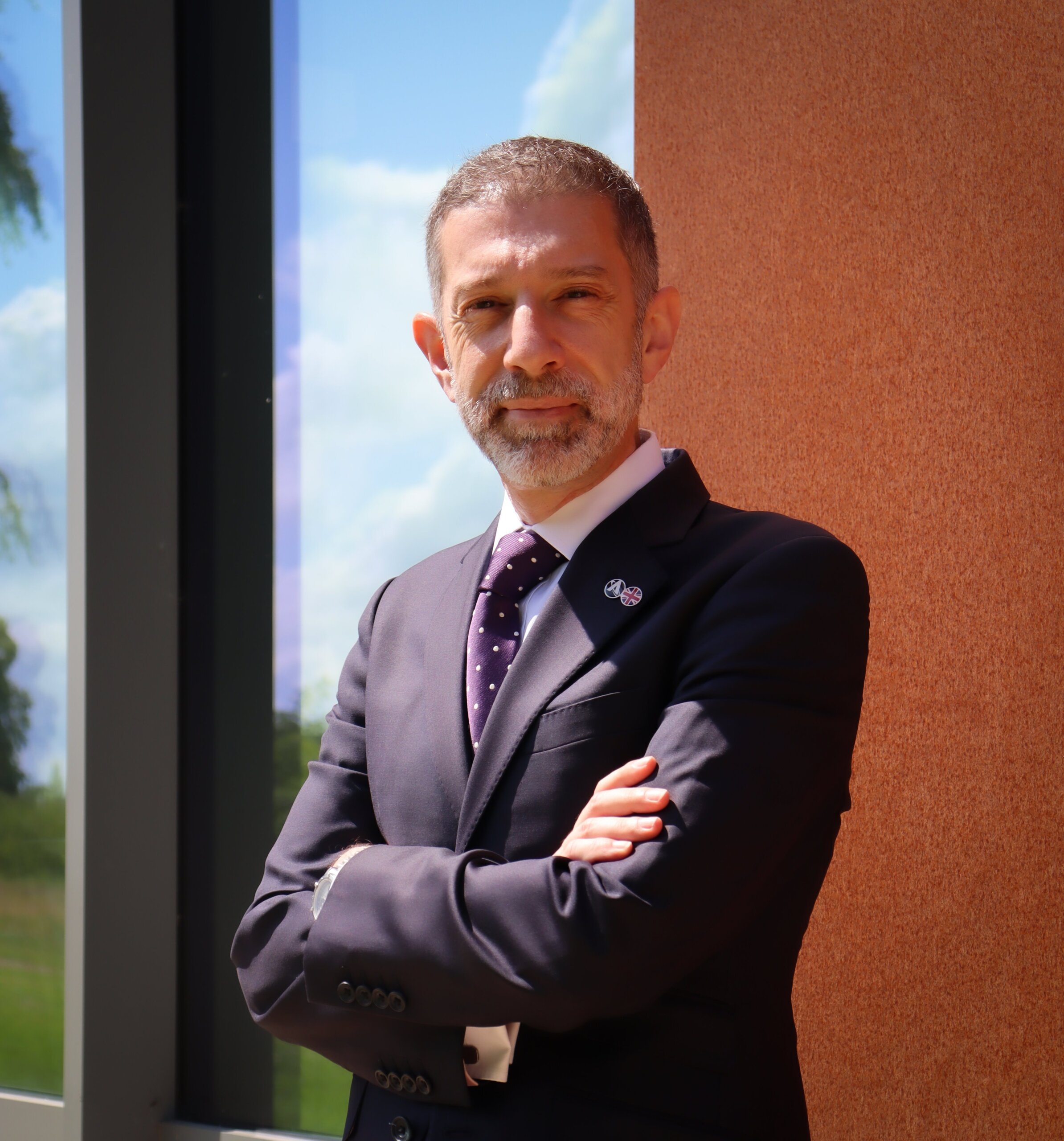
Andrew Faiola
Astroscale
Andrew joined Astroscale in January 2023 to lead the Business Development, Sales, and Marketing functions in the UK as the company expands to make in-orbit servicing routine by 2030, and deliver on its vision for secure and sustainable development of space for the benefit of future generations. He is a senior leader with over 20 years growing revenue across the satellite communications and space industries.
Andrew holds a BA in Economics from Washington University in St. Louis, and an MA in International Affairs from The George Washington University in Washington, DC.

Katherine Courtney
GNOSIS
Katherine is a Strategic Advisor, STEM Ambassador, Trustee of UKSEDS, Chair of the Global Network on Sustainability in Space, Start-up Mentor and former UK Space Agency CEO. She has 30+ years’ experience of technology and business innovation, start-up and growth; and nearly 15 years’ experience leading transformational tech-enabled UK government policy and programmes. While at the UK Space Agency, she opened the UK market to commercial satellite launch and led €1.4bn investment in collaborative European space missions.
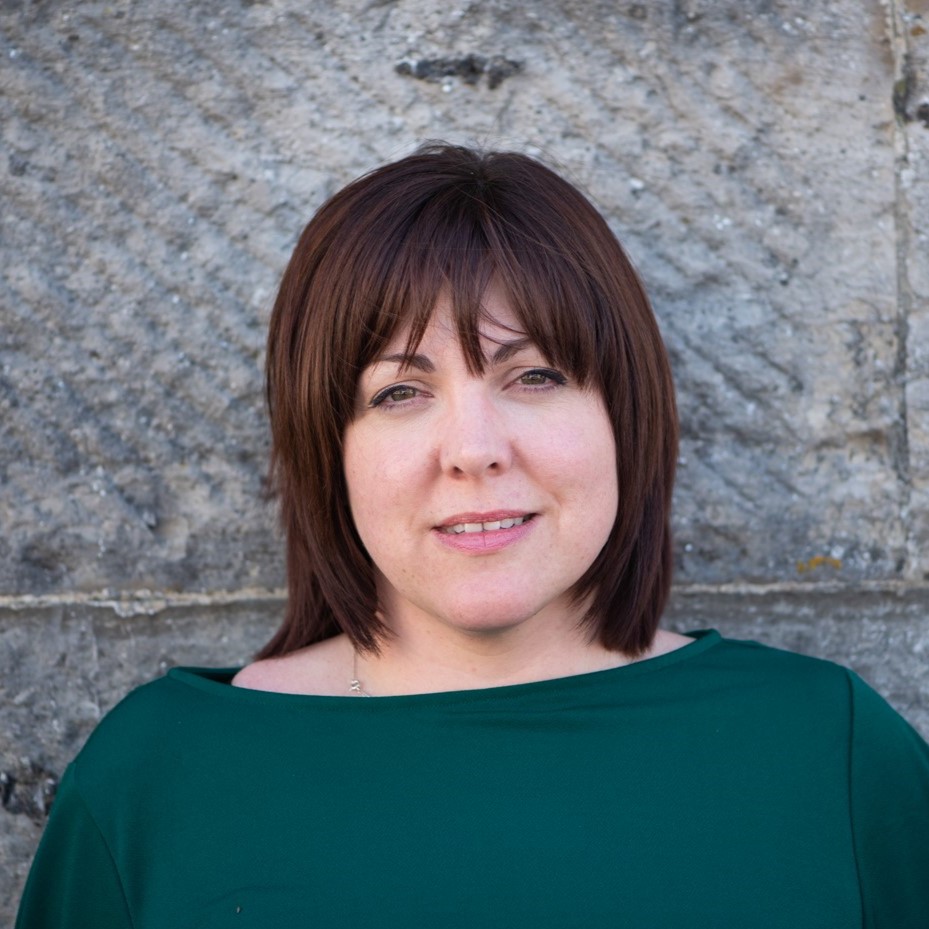
Dr Louise Butt
Space South Central
Louise Butt leads the Space South Central Enterprise Network, the delivery arm of the regional space cluster, Space South Central. Over the last five years, Louise has been a champion and advocate for space and satellite technologies. During her tenure at the South Coast Centre of Excellence in Satellite Applications, her team worked tirelessly to unlock the region’s latent space potential, build a thriving regional space community, and explore relevant space opportunities to promote economic growth. Passionate about the role of science and technology in solving some of the world’s greatest challenges, Louise trained and worked as a biochemist before transitioning into research and innovation facilitation. While working in the Higher Education sector, she applied her knowledge in project management, partnership building, bid development, event management, and funding support to develop interdisciplinary technology-focused projects for industry and academia.
Yuk Chi Chan
Founder and CEO
Charter
Craig Brown
Director of Investment
UK Space Agency
Daria Filichkina
COO
AstroAgency
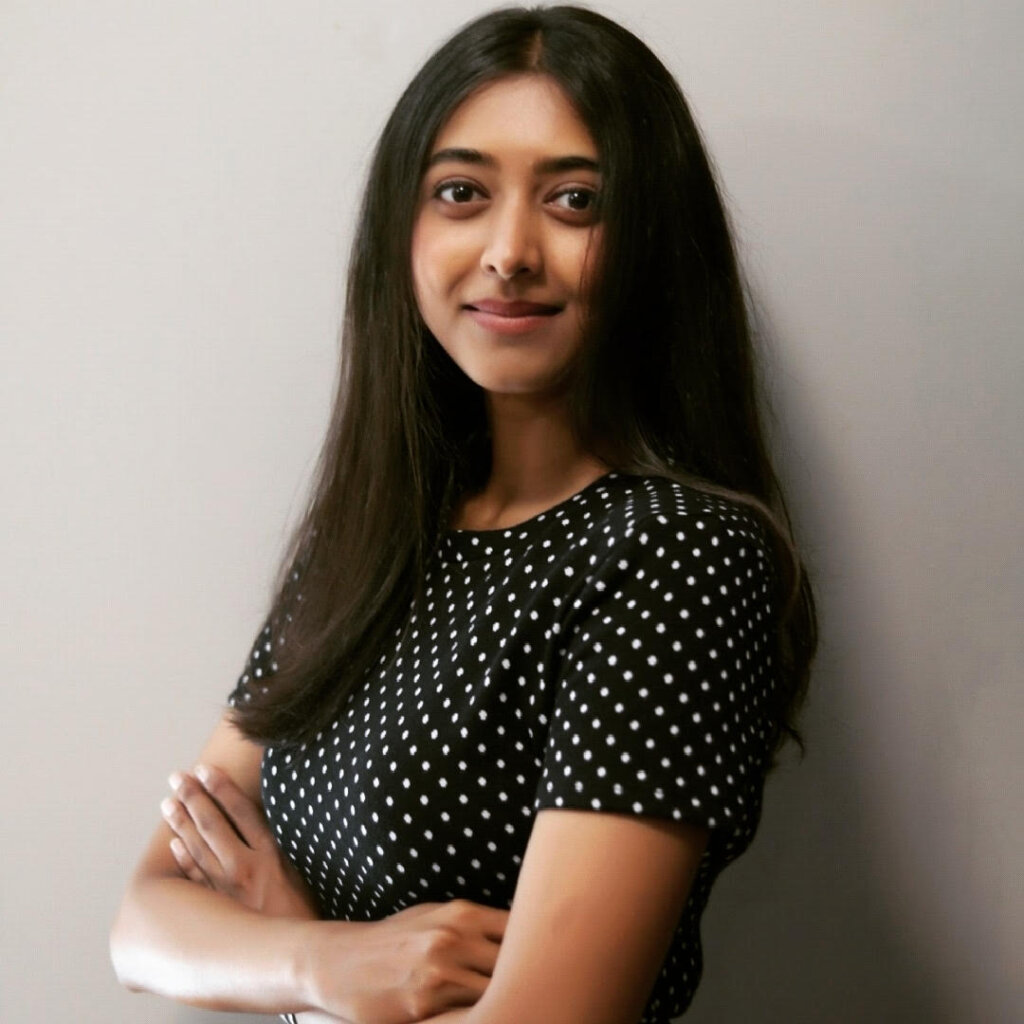
Krupa Nanda Kumar
Krupa Nanda Kumar is the Climate Services Development Manager at Space4Climate, a non-commercial programme chaired by the UK Space Agency. Krupa leads the programme convening the UK satellite Earth Observation climate community to develop and improve the uptake of trusted climate services across industries. With over 9 years of work experience in the space sector, Krupa is experienced in the commercial space sector and since heading up Space4Climate, she works closely with senior executives of UK members from policy, industry and academia to help non space sectors work together with the satellite climate data sector.
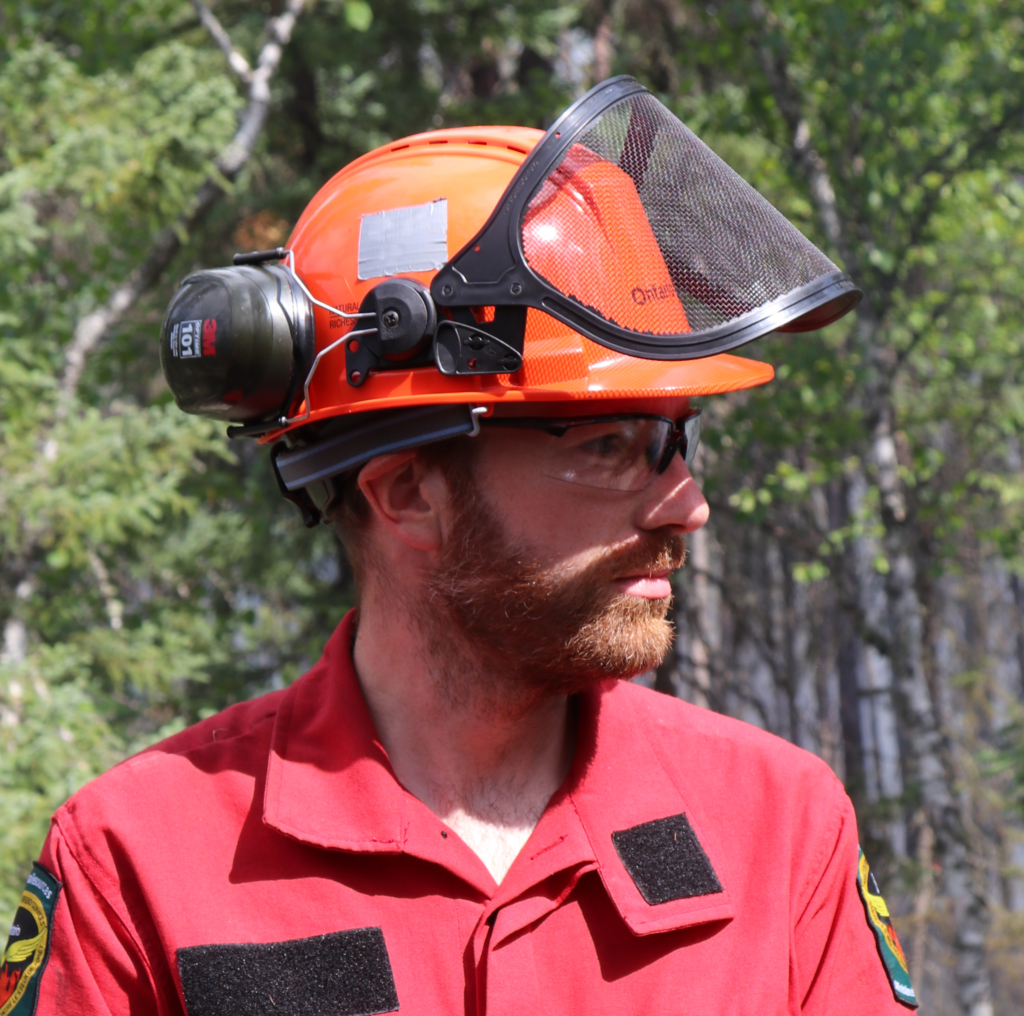
Mark Grosvenor
National Centre for Earth Observation / King's College London
Mark is a researcher at King’s College London and a member of the National Centre for Earth Observation. With a background in physical geography, his work focuses on Earth observation, wildfire emissions, and air-quality impacts. A large focus is on collecting real-world measurements to validate satellite data, or help to inform the design of new satellite based sensors. He has led field campaigns that include setting up air-quality sensor networks across Southeast Asia, installing environmental monitoring instruments in the Amazon rainforest, and supporting airborne remote-sensing studies in a range of locations.
Rebecca Wilks
The University of Edinburgh, SENSE CDT
Rebecca Wilks is a statistics PhD student at The University of Edinburgh studying the application of remote sensing, AI and statistical ecology to estimating wildlife population sizes. She is part of the Doctoral Training Center for Satellite Data in Environmental Science (SENSE CDT), with broad training across satellite modalities and drone monitoring. The first part of her PhD explored the necessary components and feasibility for an operational AI-enabled satellite survey of savanna elephants in Botswana. She is currently investigating statistical modelling methods to improve AI counting of objects in images more generally.
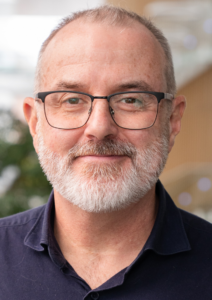
Dr Jason Hopkins
Dr Jason Hopkins
Dr Jason Hopkins is a Senior Research Scientist at Ordnance Survey, the National Mapping Agency of Great Britain, and leads the Earth Observation Research team. Jason has a PhD in Oceanography from the University of Southampton and undertook a period of post-doctoral training in the United States, where he worked on a NASA funded project. He has worked in both the public and private sectors after leaving the Royal Navy, where he served as an engineer on submarines.
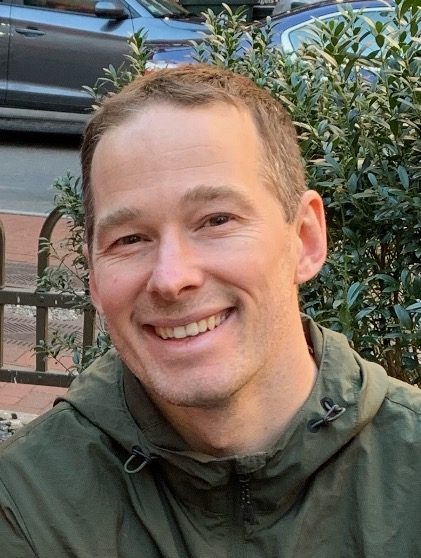
Erik Larson
Climate X
Erik Larson, Ph.D., is a computational climate scientist with over 15 years of experience in Earth system modeling and climate risk analytics. He earned his doctorate studying Titan’s atmosphere and now applies remote sensing data and physically based models to quantify climate hazards on Earth. His work spans MIT, NOAA, Harvard, and Climate X, where he has led development of probabilistic, structure-level climate risk models. These tools support financial institutions, insurers, and infrastructure planners in assessing environmental risk and informing resilience and investment decisions.

Craig Leadley
Campden BRI
Craig is a Fellow at Campden BRI where he provides consultancy and training to the food industry and has a major focus on start-up support and on developing industry/academic collaborative research. Throughout his career his technical passion has been new technologies, particularly those associated with food preservation. He has studied, and published on, a wide range of these technologies for the food industry. Most recently, Craig has been involved in two research projects exploring the cultivation of meat from animal cells. One being a desk-based assessment of the feasibility of culturing meat for missions to Mars. He is a Fellow of the Institute of Food Science & Technology, is a former member of its board of trustees and past chair of its food processing special interest group.
Earth Observation - Technology Hiding in Plain Sight
Living in Space
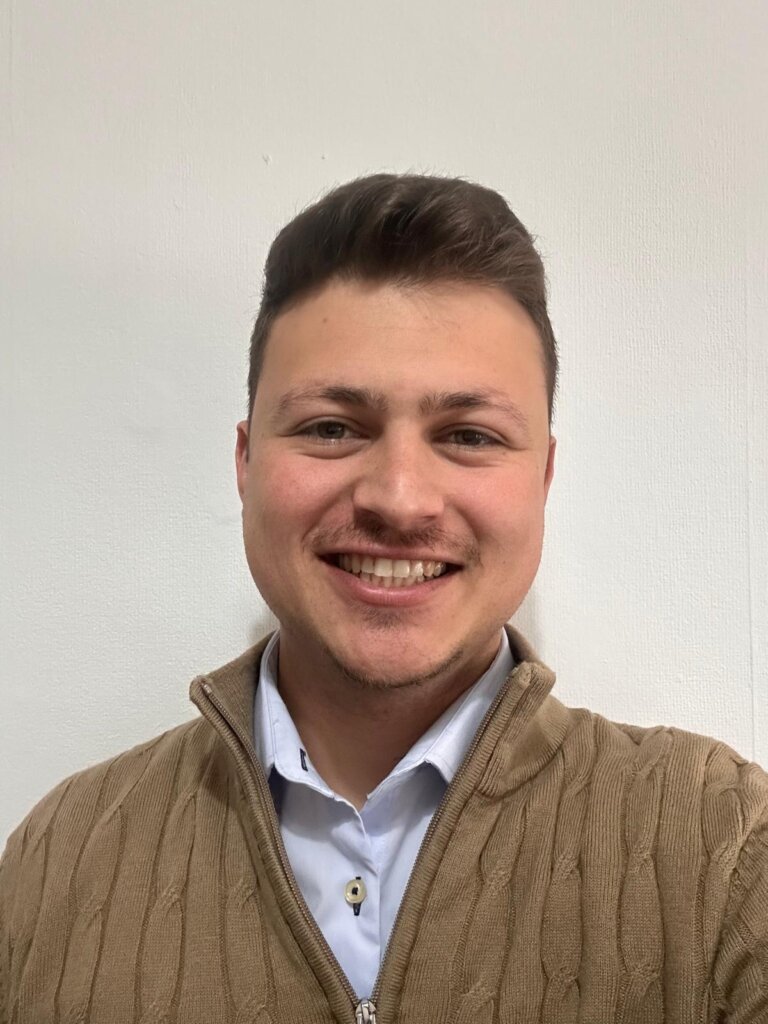
Evandros Theodosiou
Evandros Theodosiou is a Mechanical Engineer working in the commercial nuclear and space sectors. He holds a BEng in Mechanical Engineering from the University of Nottingham and an MSc in Mechanical Engineering from Imperial College London.
He is currently employed at Amentum UK as a Technical Author within the Reliability, Maintenance and Optimisation team, supporting Commercial Nuclear Power Stations. In parallel, Evandros serves as the National Point of Contact for Cyprus at the Space Generation Advisory Council (SGAC) and is part of the organising team of the European Space Generation Workshop (ESGW), where he acts as Delegates Lead. His technical and research interests lie in Life Support Systems for space applications, with published work on Martian habitation concepts. He has been actively involved in analogue astronaut missions, integrating his background in mechanical systems and nuclear energy with the challenges of sustainable human presence beyond Earth.
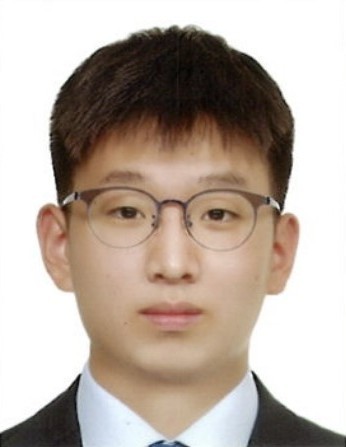
Sungyoon Joseph Hong
Asclepios
Sungyoon Joseph Hong is an undergraduate Aerospace Engineering student at the University of Bristol who is passionate about all aspects of space technology from Low Earth Satellites to Deep Space Exploration. He has been involved in Asclepios since the Asclepios IV mission as a Flight Controller and now leads the organisation as Mission Director. Apart from Asclepios, starting off as a structural and telecommunications engineer, he also now leads and directs UoBSAT, the student-led CubeSat project at the University of Bristol. During his summers, he has interned at Contec as a Research & Development Engineer and a Satellite Operations Engineer.
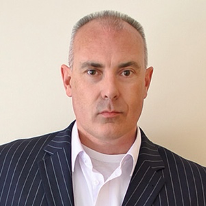
Jeremy Howitt
Snowdonia Aerospace
Jeremy has a 35-year career in aerospace research, development, test and evaluation (RDT&E). He is a former Assistant Technical Director for Aerospace Systems at QinetiQ, a Royal Aeronautical Society Team Gold Medal winner, and a Royal Academy of Engineering Visiting Design Professor. Jeremy is now Technical Director at Snowdonia Aerospace supporting novel aerospace and space flight testing. The Snowdonia Space Centre is differentiated from other UK Spaceports by providing a flexible and multi-use campus that supports space-related RDT&E and is developing a suite of ground and flight test facilities that will open to the UK Space industry from March 2025.

Ranji Gogoi
Civil Aviation Authority
Ranji Gogoi is a Space Systems Engineer at the UK CAA. He has been with the regulator for 8 years in various roles such as Space Regulation and Airworthiness. He was the Lead Engineer for Spaceport Cornwall and is passionate about student rocketry competitions such as Race2Space. He completed his Bachelor’s at Kingston University before joining Orbex as a propulsion intern and going on to complete his MSc at Cranfield University. He now spends his time trying to convince his colleague to show him the Macarena.
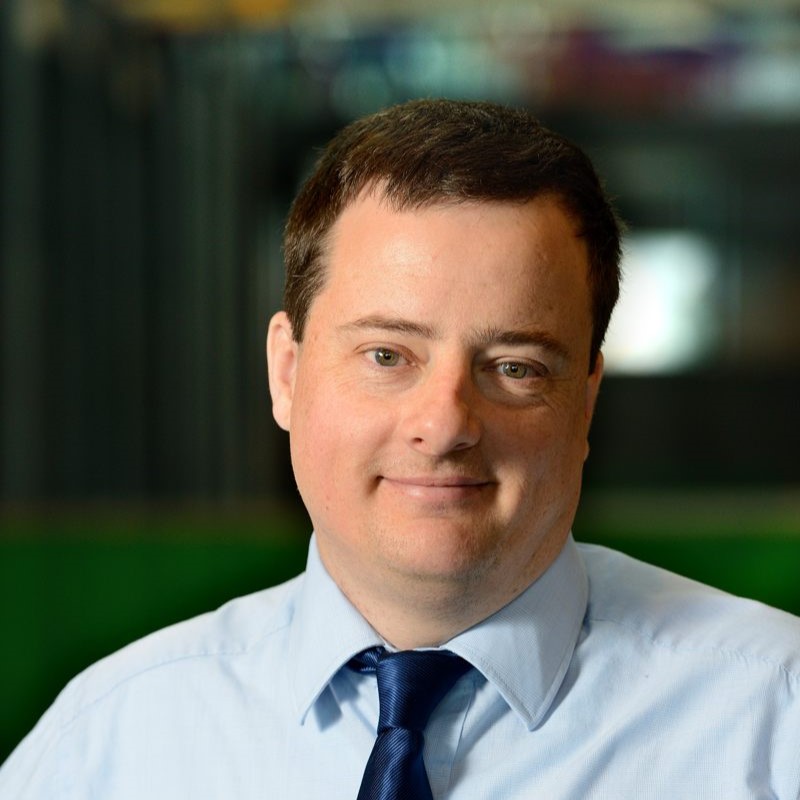
Dr Martin Heywood
Newton Launch Systems
Martin Heywood has been involved in the space sector for over 25 years and is now a Director of a small space technology and testing business. During his career Dr Heywood has mixed technical development with commercial and market-oriented activities including three separate studies into the commercial feasibility of satellite launch from the UK. He is currently leading the technical efforts to develop green satellite propulsion using nitrous oxide propellant, while setting up a new commercial test facility at the Snowdonia Space Centre. He still finds time for amateur rocketry and is a fellow of the British Interplanetary Society.
Daria Filichkina
COO
AstroAgency
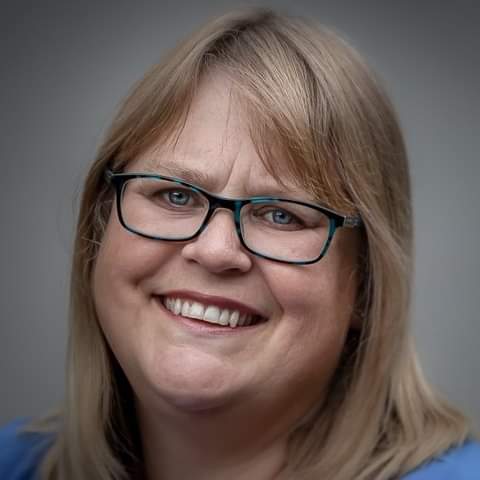
Kathryn Graham
Kathryn is a senior systems engineer at KISPE Limited. Kathryns role includes system engineering across a number of projects, technical business development, training development and delivery and other client work.
Kathryn has over 30 years of experience in the space industry she has worked at a number of companies including DERA (now QinetiQ), SSTL, Prismatic and now KISPE.
Kathryn has developed space mission concepts from Earth Observation to Interplanetary communications. She then moved into engineering management, managing a systems engineering team, and then including AOCS and thermal areas. Currently Kathryn has been the technical lead on a number of projects.
Mark Grosvenor
National Centre for Earth Observation / King's College London
Mark is a researcher at King’s College London and a member of the National Centre for Earth Observation. With a background in physical geography, his work focuses on Earth observation, wildfire emissions, and air-quality impacts. A large focus is on collecting real-world measurements to validate satellite data, or help to inform the design of new satellite based sensors. He has led field campaigns that include setting up air-quality sensor networks across Southeast Asia, installing environmental monitoring instruments in the Amazon rainforest, and supporting airborne remote-sensing studies in a range of locations.
Rebecca Wilks
The University of Edinburgh, SENSE CDT
Rebecca Wilks is a statistics PhD student at The University of Edinburgh studying the application of remote sensing, AI and statistical ecology to estimating wildlife population sizes. She is part of the Doctoral Training Center for Satellite Data in Environmental Science (SENSE CDT), with broad training across satellite modalities and drone monitoring. The first part of her PhD explored the necessary components and feasibility for an operational AI-enabled satellite survey of savanna elephants in Botswana. She is currently investigating statistical modelling methods to improve AI counting of objects in images more generally.
Dr Jason Hopkins
Dr Jason Hopkins
Dr Jason Hopkins is a Senior Research Scientist at Ordnance Survey, the National Mapping Agency of Great Britain, and leads the Earth Observation Research team. Jason has a PhD in Oceanography from the University of Southampton and undertook a period of post-doctoral training in the United States, where he worked on a NASA funded project. He has worked in both the public and private sectors after leaving the Royal Navy, where he served as an engineer on submarines.
Erik Larson
Climate X
Stewart Hall has over twenty five year extensive technical and business development experience in the Space industry. He began his career in space software design, implementing software projects for many major space programmes. Stewart moved into consultancy and business development roles within the sector. He is currently senior business development manager and deputy head of sales, strategy and marketing for Thales Alenia Space UK.
Craig Leadley
Campden BRI
Craig is a Fellow at Campden BRI where he provides consultancy and training to the food industry and has a major focus on start-up support and on developing industry/academic collaborative research. Throughout his career his technical passion has been new technologies, particularly those associated with food preservation. He has studied, and published on, a wide range of these technologies for the food industry. Most recently, Craig has been involved in two research projects exploring the cultivation of meat from animal cells. One being a desk-based assessment of the feasibility of culturing meat for missions to Mars. He is a Fellow of the Institute of Food Science & Technology, is a former member of its board of trustees and past chair of its food processing special interest group.
In-Orbit Servicing, Assembly & Manufacturing
The Consortium to Demo UK Refueling in 2028
Pathways to the Space Industry - Unconventional routes

Calypso Kulasegram
Orbit Fab Ltd
Calypso Kulasegram is the Head of Operations for Orbit Fab,
covering UK & Europe, where she leads operational strategies
to support the company’s growth in the region. Since joining the
space sector in 2022, she has worked across operations,
business development, and project management, with a focus
on space sustainability. Prior to Orbit Fab, she supported the
CEO & COO at AstroAgency, contributing to strategic
initiatives and operations.
Calypso has collaborated with leading organisations such as
UKSA, ESA, ClearSpace, and Astroscale on key debris
removal missions, reflecting her passion for sustainable space
practices. Known as a versatile "everyday generalist," she
brings a broad skill set and diverse industry experience, including roles at Edinburgh
University and in technology and manufacturing.

Sam Juson
Astroscale
Sam is now approaching 4 years of experience within the Space sector through his time at the Civil Service, notably within the UK Space Agency, UK Space Command, and the Space Delivery Team within DE&S. He is educated with a BEng in Aerospace Engineering, an MSc in Astronautics and Space Engineering, and an Executive Qualification from the International Space University. He is currently working as a Defence Mission Concepts Engineer at Astroscale.
Dr Louise Butt
Space South Central
Louise Butt leads the Space South Central Enterprise Network, the delivery arm of the regional space cluster, Space South Central. Over the last five years, Louise has been a champion and advocate for space and satellite technologies. During her tenure at the South Coast Centre of Excellence in Satellite Applications, her team worked tirelessly to unlock the region’s latent space potential, build a thriving regional space community, and explore relevant space opportunities to promote economic growth. Passionate about the role of science and technology in solving some of the world’s greatest challenges, Louise trained and worked as a biochemist before transitioning into research and innovation facilitation. While working in the Higher Education sector, she applied her knowledge in project management, partnership building, bid development, event management, and funding support to develop interdisciplinary technology-focused projects for industry and academia.
Yuk Chi Chan
Founder and CEO
Charter
Craig Brown
Director of Investment
UK Space Agency
Daria Filichkina
COO
AstroAgency
Workshops and skill sessions
Register to take part in our workshop sessions today!
CV & Careers Workshop

Bethan McAulay
Bethan currently heads up all things talent for leading space sustainability company Astroscale across the UK, and has worked in the space industry for the last 7 years. Her prior recruitment career spans many industries, and she studied for Bachelors and Masters degrees in Psychology at the University of London.
Bethan is passionate about skills development, early careers and supporting access to the space industry for more than just engineers! Her recent achievements include doubling the size of two Astroscale entities, appointment to the Space Skills Advisory Panel, and the successful delivery of the world’s first ISAM graduate scheme (also twice).
Rocketry Skills & Recovery Systems

United Kingdom Rocketry Association
The United Kingdom Rocketry Association (UKRA) promotes and represents high power, medium power and model rocketry in the United Kingdom for amateur research, educational and recreational purposes. UKRA is also the specialist technical body to the BMFA with responsibilities for High Power Rocketry. This year, UKRA are supporting both UKSEDS’s National Rocketry Championship and Mach24.
Embark on a thrilling journey into the world of rocketry with the United Kingdom Rocketry Association’s (UKRA) Rocketry Skills Workshop! Tailored for students gearing up for the UKSEDS National Rocketry Championship and the adrenaline-pumping Mach24, this workshop promises to equip you with the essential skills needed to navigate the challenges of high-powered rocketry.
Our experts will guide you through the common pitfalls that students encounter each year, offering invaluable insights into how to avoid these pitfalls and elevate your rocketry game. From mastering recovery mechanisms to understanding the nuances of model rocket design, participants will gain a comprehensive understanding of the intricacies involved in becoming a Rocket Scientist!
Don’t miss this opportunity to elevate your rocketry skills and stand out in the world of high-speed competition. Blast off into the exciting realm of rocketry with the UKRA Rocketry Skills Workshop – where innovation meets NRC and Mach24 mastery!
Innoforge Interview Preparation

Innoforge
InnoForge was founded by two renowned recruitment professionals, with proven track records in helping companies attract, develop and retain the right individuals.
Innovators: Whether you’re just starting or looking to advance your career, InnoForge is your partner in finding opportunities that align with your skills, aspirations, and values.
Educational and Training Institutions: We collaborate with educational bodies to nurture the next generation of talent, ensuring a continuous stream of skilled and educated professionals in the sector.
InnoForge will be providing some industry insights into what leaders within the Space Sector look for in interviewees, They will provide you with some hints and top tips of how to stand out in online or face to face interviews and answer any questions you may have.
Your Skills = Your Future in Space !?

Matjaz Vidmar
Dr Matjaz Vidmar is Lecturer in Engineering Management at the University of Edinburgh and Deputy Director of the Institute for the Study of Science, Technology and Innovation. He is researching innovation processes, R&D (eco)systems and futures strategies and design, working in particular with the satellite and space data industry and artificial intelligence. He is also involved in many international initiatives to develop the future of these fields, including several start-up companies and an extensive public engagement programme on interplay of STEM, arts, and futures literacy. More at www.blogs.ed.ac.uk/vidmar
What are space companies looking for when recruiting new staff? How do I make the most of my skills? How can I shape what my job and career may look like in the future?
In this hands-on workshop, we will be examining the jobs and skills of the future and how to make sure you help shape them, as well as have a fulfilling career.
We want to hear from you as to what you would like your ideal space job to look like and what training and experience you have, or require to obtain, to make this a reality. We will also share some insights and practical tools and tips from research and practice.
This workshop is part of the Future-proofing Skills Development within the Developing a Sustainable Scottish Space Sector cluster programme, funded by the UK Space Agency.
Rocketry & Satellite AI Simulations With Python

Nicola Jane Buttigieg
Nicola leads the GDST Space Technology Diploma and recently completed the Developing AI Applications course at Oxford University’s Department for Continuing Education. She is a Royal Society STEM Partnership Grant recipient, pursuing computer science curriculum goals in Space Technology, encompassing computer vision, aerospace design optimisation, quantum machine learning and Earth science data AI. With over 20 years of experience in the education industry, Nicola has recently provided upskilling outreach at Staffordshire University London and Boston University Spark Innovation and Experiential Learning Lab. She was a nominee for Mentor of the Year at Aviva’s Women of the Future Awards in 2022.
This workshop, hosted by Nicola Buttigieg will be an engaging and practical exploration of Python applications in aerospace, model rocketry, and machine learning.
The workshop will focus on Python packages such as GPkit for aerospace optimisation, OpenCV for computer vision in environmental imaging, RocketPy for model rocketry design and 3D trajectory simulation, SciKit-Learn for machine learning AI, and QisKit for quantum machine learning. The session will include short talks introducing these packages, followed by interactive demonstrations in Google Colab, providing you with tangible examples drawn from real-life projects conducted in collaboration with universities, NASA, and other industry partners. Additionally, the workshop might feature a unique opportunity for a live roundtable conversation with NASA and RocketPy software developers on the cutting-edge applications of coded AI automation in aerospace device optimisation and satellite data analysis. The 30-minute roundtable will delve deeper into the intricacies of AI automation in aerospace and satellite data applications, providing a valuable opportunity for participants to engage with experts in the field.
To fully participate in the workshop, you will need a laptop and access to Google Colaboratory, preferably through the Google Chrome web browser. The entire session, including both the workshop and the roundtable discussion, may be recorded for those unable to attend or for future reference.
CV Workshop & Speed Networking

NSSC Sponsors & Exhbitiors
Boost your job prospects and make valuable connections in the space industry with this workshop open to all attendees
Learn from experts on how to write a standout CV, and then put your skills to the test in our speed networking session. Meet industry professionals and connect with potential employers. This is a must-attend event for anyone looking to take their career in the space sector to the next level.
Poster sessions
If you’re grabbing a coffee on your morning break, why not come and visit the poster exhibition in humanities! UKSEDS members will be presenting projects they have been involved in this past year.
Learn more about the work teams have completed taking part in UKSEDS competitions, for their projects and their industry internships.
Team Odysseus, consisting of 10 University of Bristol and BristolSEDS students, represents the university’s inaugural entry into the advanced stream of the Olympus Rover Trials competition. The team’s goal is to develop an innovative reconnaissance rover tailored for Mars cave exploration, aiming to excel in all testing areas of the competition. The rover’s functionalities include navigating dimly lit environments, providing visual feedback to operators, precisely drilling targets with its end effector, emerging from caves for solar cell charging, and transmitting data. The team’s design philosophy revolves around three key pillars: optimizing the precision of the robotic arm for drilling operations, enhancing resilience to rigorous vibration testing, and strategically integrating automation to minimize human intervention. Having completed the conceptualization and preliminary design phase, the team is currently engaged in prototyping and testing various subsystems such as the arm, solar panel deployment, wheels, chassis, electronics, and the communication systems. As the team continues the iterative process of prototyping and testing to refine the design, the next milestone is the critical design review, which will precede the official commencement of the rover build.
In an area of continuous technological advancements, the prospects of colonizing other planets, particularly Mars, has never been more tantalizing. Mars habitats are pseudoisolated systems, with strict requirements of occupancy, mass and energy. The thermoeconomic model proposed in this thesis provides a versatile tool of comparison between different habitat designs and mission specifications. The lack of resources and the environmental constrains make the study of these type of habitats complex. Hence, the necessity for assumptions and compromises, notably regarding parameters like temperature, humidity and pressure. This work introduces ARHS , a novel software tool for thermo-economic analysis of potential habitats at Arcadia Planitia, location on Mars, providing output reports. The research and analysis of the habitat system are split in three main categories which are life support systems (Oxygen/Carbon Dioxide levels), power generation/consumption (electricity, heating) and human factors (physical/mental limits). The categories are then split into classes; flows, systems and controllers which make the Object-Oriented Programming (OOP) used by the software more convenient. The aforementioned categorisation and classification are vital for the analogous representation and comparison of different mission or habitat inputs. By offering distinct outputs, ARHS enables a straightforward selection of the a most fit for purpose habitat for the mission or most suitable mission for the habitat. To ensure the precision and reliability of the code, extensive verification has been contacted, drawing data from analogue astronaut missions. ARHS empowers users to compare inputs and determine the best expedition, in manners of either habitat or mission parameters, based on either cost and resources. This groundbreaking software represents a leap forward in space expeditions, providing reliability, precision and much-needed standards. It simplifies the selection of missions and habitats based on their features and user requirements. Furthermore, by harnessing machine learning techniques, it can evolve from a comparison tool to an optimisation tool, creating a valuable database for future space endeavors.
This study investigates the use of KU’s ECT system for data collection during hybrid rocket engine test fires. The project focuses on conducting cold and hot flow tests with varying bore sizes of the fuel grains to capture ECT data. This data is then to be compared with other sensor readings to establish the ECT systems’ capability in providing insights into the internal dynamics of hybrid rocket propulsion.
A cubesat mission to map urban heat islands for sustainable city planning.
This poster presents a concise overview of the Systems Model Report for a technical space mission. It covers mission design objectives, payload specifications, and detailed analyses of mass and power budgets. The report includes trajectory planning, propulsion mechanics, communication systems design, ADCS specifications, structural integrity, and thermal control strategies. A comparative study of potential launch vehicles based on technical parameters is also featured. This model serves as a blueprint for designing and executing a highly efficient and technically sound space mission.
Vortex generators represent highly effective passive flow control devices aimed at enhancing the aerodynamic efficiency of a wing. Previous research has delved into optimizing vortex generators (VGs) based on factors such as VG position, level, skew, twist angles, height, and chord of the aerodynamically shaped VG. However, there has been limited exploration concerning the parametric study on the cross-section of the aerodynamically shaped VG and its tumble angle. Building upon the groundwork laid by researchers at KTH in devising aerodynamically-efficient VGs for enhancing the lift performance of a flying-wing UAV through computational fluid dynamics, this study focuses on a specific optimized Vortex Generator profile constructed from the S1233 aero foil profile. The normal configuration is computed based on the boundary layer thickness, δ, with a 0.15 ratio of upper surface to lower surface, a chord (c) of 47.33 mm, maximum thickness (t) of 9 mm, and a height (H) of 35 mm. Three different tumble angles (ρ) of 0°, 15°, and -8° are applied to this VG. The VG is then aligned in two conditions: Co-rotation and Counter Rotation, each with four different skew angles (β) of 0°, 5°, 13°, and 20°. In co-rotation, the periodicity (D) is set at 146.58 mm, while in counter rotation, the pair spacing (λ) is 76.3 mm, and the periodicity (D) is 172.9 mm. Figure 3 illustrates the periodic arrangement of the vortex generators. Subsequently, the vortex generators are affixed to a zero-pressure-gradient flat plate (1100 mm x 600 mm x 10 mm) for a detailed examination of the flow field. Particle image velocimetry measurements are employed to unravel the vortex dynamics and interactions between pairs of vortex generators and the turbulent boundary layer at various arrangements. This investigation aims to shed light on the ability of these vortex generators to control and enhance aerodynamic performance when applied to a wing.
CubeSat nano-satellites have emerged as a cost-effective solution for swiftly deploying payloads into orbit, owing to their lightweight design and utilization of common components such as the PyCubed motherboard and battery board. These components, known for their open-source programming and modular design, contribute to the popularity of CubeSats within the space exploration community. However, the susceptibility of CubeSats to mechanical failures resulting from intense vibrations and shocks presents a significant challenge, with a failure rate estimated at 40%. In response to these challenges, this dissertation project (conducted by a 3rd Year Mechanical Engineering student at Northumbria University) aims to address the reliability and durability of CubeSat nano-satellites through a multifaceted approach. Firstly, an analysis of past mission data and consideration of material science, vibrations, and control engineering principles will be conducted to better understand the underlying causes of failure. Subsequently, a Highly Accelerated Lifetime Testing (HALT) program will be developed to efficiently identify failure modes and improve reliability. By systematically addressing these issues, this project seeks to discover the modes of failure of PCBs within the CubeSat through rigorous vibration tests, mathematical and program-based analysis, so then we can have a baseline to establish, so that we may begin to improve the design of the satellites in terms of durability and sustainability.
What will be the future of continuing treatment? How can space technology elevate our current methodology in treating lifelong conditions? Science fiction often presents the use of orbital human satellite habitats as either utopic or dystopic, being light concerning a practical use. Utile medical applications in zero-gravity have fundamentally been researched-based, largely in pharmacology, with the complete absence of findings on numerous common conditions due to the nature of restricted access to orbit. Considering space commercialisation and easing of travel, the effect of zero-gravity on patients suffering from limited mobility symptomatic diseases presents a unique question. Current predictions are that zero-gravity environments would greatly benefit a significant number of these diseases. We argue that such a positive impact would be a key component of humanity’s relationship with orbital structures and the future of the wider space-medical field. We theorise a possible use case for these habitats concerning ongoing care, specifically in the treatment of patients with chronic rheumatological conditions. We have conceptually and graphically created a realistic form of one of these space clinics, diving into the technology used in each step from launch, assembly, and functioning. In our research, we inquire about the missing components, if any, and the feasibility of such structures. We present a possible advancement in treatment and aim to clarify the financial sustainability of these clinics. Our research results illustrate that: 1) the limited medical research and theories available indicate that such zero-gravity clinics provide a sufficient improvement for the quality of life of patients suffering from chronic rheumatoid arthritis and the viability of earnest investigation, 2) that the technology at our disposal is sufficient for the construction of these orbital clinics, and 3) the combination of the decreasing cost of space travel and demand indicates this is a propitious use case for permanent orbital structures.
Asclepios is an interdisciplinary student association with the goal of enabling analog space missions, offered exclusively by students for students. The goal of the project is to design an analog space mission a year, with the peculiarity of being the only international student-led analog mission worldwide.
AccoA CubeSat has been funded to investigate the effect of stellar flares on exoplanet habitability around M-dwarfs, the smallest, faintest and most prevalent stars in the universe. The flares will be detected via UV spectroscopy and will expand observations in the relatively limited UV domain. The spectrometers used in this satellite will be subjected to the LEO orbit’s harsh thermal, requiring a careful examination of their thermal performances. A setup combining a thermally-controlled breadboard, an Arduino board and several temperature sensors (DS18B20) were used to record the heat conduction pathways through the instruments, ascertain the dark current (DC) noise response at various selected ambient temperatures and determine the internal temperature generated by the spectrometers. Additionally, a thermal model of the entire CubeSat was built using a nodal network-based algorithm that represents the thermal system as a group of nodes, where each node is a specific location at which the temperatures and heat fluxes are calculated. Results indicated a ~7-10°C increase generated by the internal components. Furthermore, the dark current exhibited an anticipated decrease in noise with decreasing temperature. Finally, the thermal models yielded predicted temperatures in accordance with the expectations set by the CubeSat’s thermal design. These findings not only suggest optimal temperature conditions for the spectrometers but also offer insights for managing reduced dark current noise, enabling clearer spectra. The thermal simulations served as a verification tool for the satellite’s desired thermal design. Overall, this project contributes to a wider preliminary stage of thermal design for the CubeSat and help indicate the appropriate conditions for running the spectrometers.rdion Content
NSSC 2026: Exhibiting organisations & sponsors
PLATINUM SPONSOR


GOLD SPONSORS




SILVER SPONSORS




Bronze sponsors


BRONZE SPONSORS
Startup Sponsors and Supporters











Startup Sponsors and Supporters
Local hosts

Proud corporate partners with